

2.2.3 Areas of Applied Research

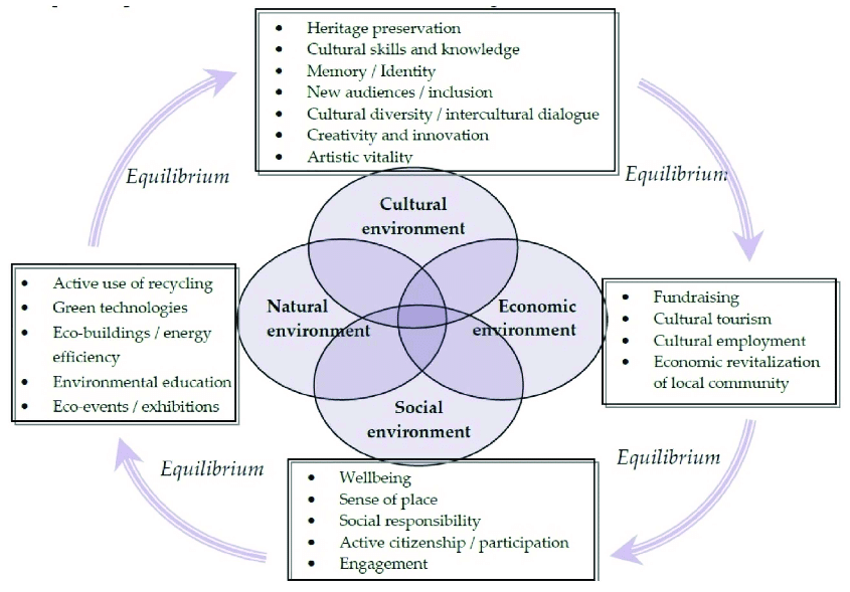
The Areas of Applied Research in Sustainable Habitat, Natural and Cultural Resources are with respect to the Indian context. For details, Ref: 2.3

2.2.4 New Unique Approaches

RISHIS introduces for the first time, the following new approaches – Group Applied Research and Multi-Disciplinary/Collaborative Approach- for resolving and solving issues and problems in the various districts of India relating to sustainable development and show-casing Indian heritage.

2.2.4.1 Group Applied Research

This is a pioneering effort of the Foundation and the first of its kind in the country, primarily aimed at creating awareness and broadening the spectrum of those involved in research activity. The intention is to promote a multi-disciplinary and collaborative approach.

Students from High Schools/Colleges and others from Public/Institutions/Companies/MNCs, etc. may form small Groups and may select their own Guide/Guides who may be Teachers/Professors/Experts/Social Activists, etc.

Typical groups may include, but not limited to:

  1. A group of school/college students, Teacher/Professor, Subject Expert
  2. A group of school/college students, Subject Expert, Social Activist/s
  3. A group of concerned citizens, Subject Expert, Social Activist/s
  4. Others, subject to approval of the Board of Directors and Governing Council of the Foundation

2.2.4.2 Multi-Disciplinary/Collaborative-Approach

Combining or involving several academic disciplines or professional specializations in an approach to a topic or problem. A collaborative (or cooperative) learning approach involves students working together on activities or learning tasks in a group small enough to ensure that everyone participates. Students in the group may work on separate tasks contributing to a common overall outcome, or work together on a shared task.

Note: For the purpose of registration, to do Applied Research/Descriptive papers, the CRM requires one student/candidate to represent the group.

Scroll to Top